

Report exploring the role of women in tribal mediation in Shabwa, particularly in family-related disputes. It highlights that traditional mediation roles of women are becoming weaker as women who are sceptical of the ability of tribal mores to provide them with opportunities and safeguard their interests, forego such roles and tribal mediation altogether; as well as due to shifting and more patriarchal social expectations.
Other resources you may be interested in:
Local Service Provision During War: A Case Study of Yemen
This journal article analyzes how conflict has shaped local service delivery across five Yemeni governorates and shows how governance capacity, political stability, resources, and external support, in particular humanitarian aid, effect outcomes. By analyzing how these elements shape local governance capacities, the paper highlights the disparities in service delivery and the challenges faced by local […]
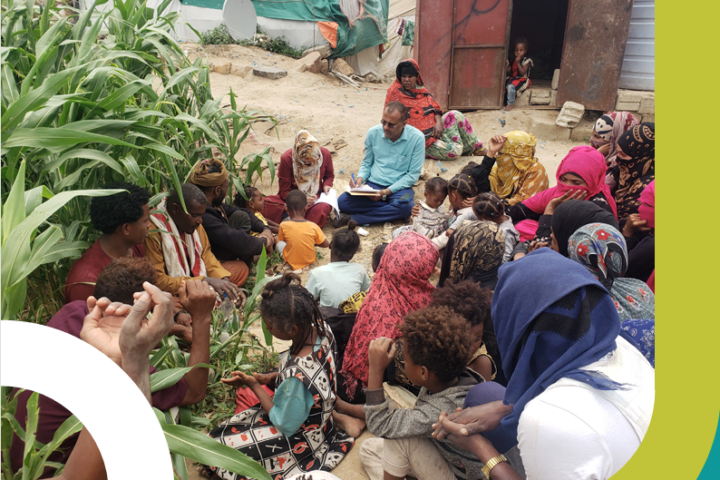
Pathways for Reconciliation – Impact of the Conflict on Social Cohesion and Reconciliation in Yemen
This report presents findings from consultations across seven Yemeni governorates on how conflict has affected social cohesion and reconciliation, and offers community-based recommendations for peacebuilding and local resilience. It inclues a discussion of trust within communities and with local authorities, providing a district-level breakdown of perceptions.
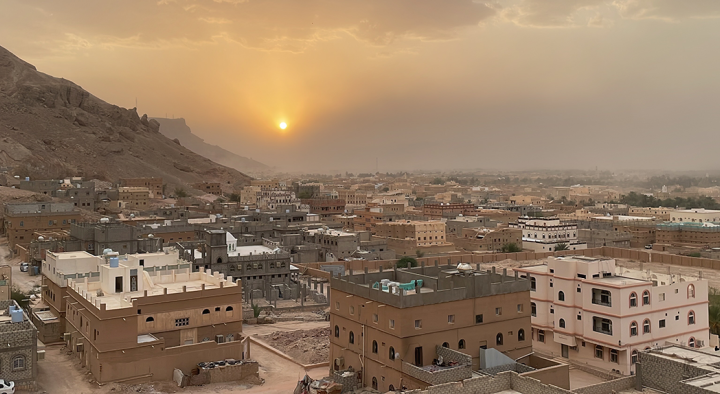
The Hadhramawt National Council: A strategic move or a tactical reaction?
Discussion of the HNC’s potential to serve as an inclusive platform for Hadhrami aspirations and its challenges in establishing a clear strategic direction, while analysing whether it represents a strategic initiative or a tactical response to regional and local dynamics. The paper recenters HNC’s main role as to unify various Hadhrami movements advocating for greater […]