
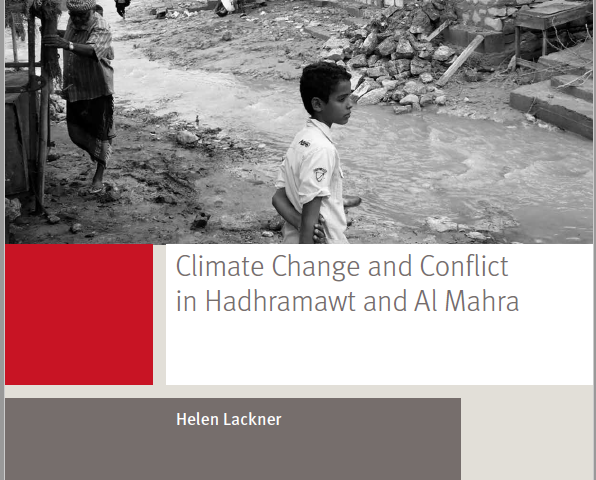
This report identifies the key environmental issues facing the populations of Hadhramawt and Al Mahra today, based on interviews conducted in the two governorates. It highlights that formerly exceptional droughts, floods and typhoons have become common phenomena and that such disasters, alognside other environmental concerns, represent additional stressors on communities, local administrations and existing institutions for managing and resolving conflict and are complicating the relationship between recent arrivals to the governorates and established communities. The report closes with recommendations for local authorities, communities and international actors to mitigate the impacts of climate change and better manage the conflicts that derive from it.
Other resources you may be interested in:
Accountability mechanisms in Yemen: Insights from Taiz, Aden, Hadhramawt, and Al Mahra
Analysis of the de jure and de facto state of accountability in Yemen, with case studies on accountability mechanisms in the four governorates of Taiz, Aden, Hadhramawt and Al Mahra.

Hadramawt on Edge: Public Outcry Exposes Governance Crisis
This report analyzes the governance crisis in Hadramawt as widespread protests over electricity and water failures expose deep structural weaknesses in Yemen’s largest governorate. It outlines how fuel shortages and institutional fragmentation have intensified competition among key actors and details how these rival entities shape de‑facto governance across Mukalla and the wider governorate.
Local Service Provision During War: A Case Study of Yemen
This journal article analyzes how conflict has shaped local service delivery across five Yemeni governorates and shows how governance capacity, political stability, resources, and external support, in particular humanitarian aid, effect outcomes. By analyzing how these elements shape local governance capacities, the paper highlights the disparities in service delivery and the challenges faced by local […]