
This journal article analyzes how conflict has shaped local service delivery across five Yemeni governorates and shows how governance capacity, political stability, resources, and external support, in particular humanitarian aid, effect outcomes. By analyzing how these elements shape local governance capacities, the paper highlights the disparities in service delivery and the challenges faced by local authorities and humanitarian actors in navigating fragmented governance frameworks amidst ongoing conflict.
Other resources you may be interested in:
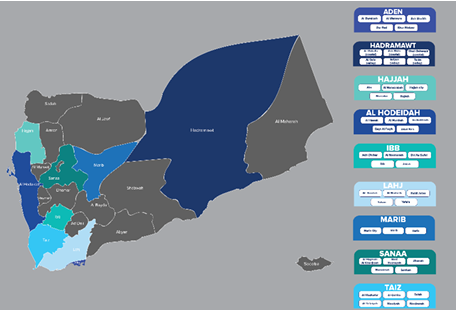
Strengthening Institutional and Economic Resilience in Yemen (SIERY) – Final Evaluation Report.
This final project evaluation assesses the UNDP SIERY project’s performance from 2020–2025 in strengthening local governance, public service delivery, and economic resilience across nine governorates in Yemen. Given this project has been the largest project in terms of funding volume and geographical coverage supporting local governance in Yemen, it offers interesting insights in the opportunities […]
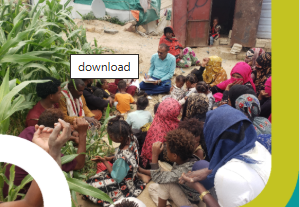
Pathways for Reconciliation – Impact of the Conflict on Social Cohesion and Reconciliation in Yemen
This report presents findings from consultations across seven Yemeni governorates on how conflict has affected social cohesion and reconciliation, and offers community-based recommendations for peacebuilding and local resilience. It inclues a discussion of trust within communities and with local authorities, providing a district-level breakdown of perceptions.

From Local Governance to Constitution Building: Yemen after 10 Years of Conflict
This report analyzes Yemen’s legal and practical local governance arrangements after a decade of conflict, focusing on how the 2000 Local Authority Law, wartime fragmentation, and governorate-level realities shape future constitutional options. It includes a discussion of the main features of the Local Authority Law of 2000, as well as the draft 2015 constitution and […]